Tasting Notes
Vinous 89-91
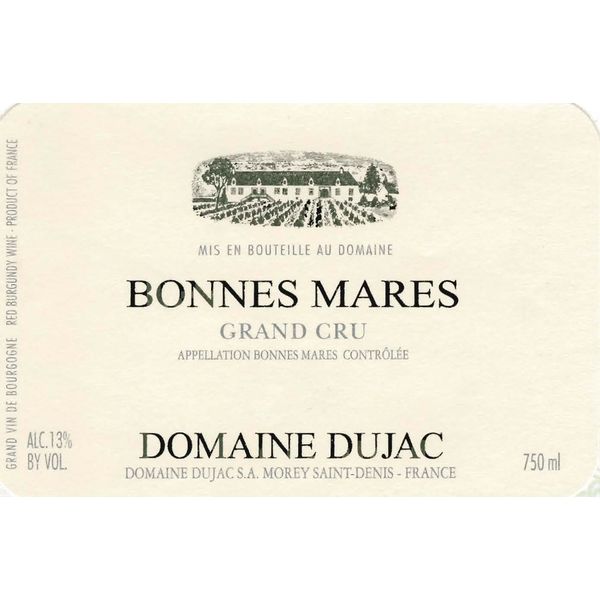
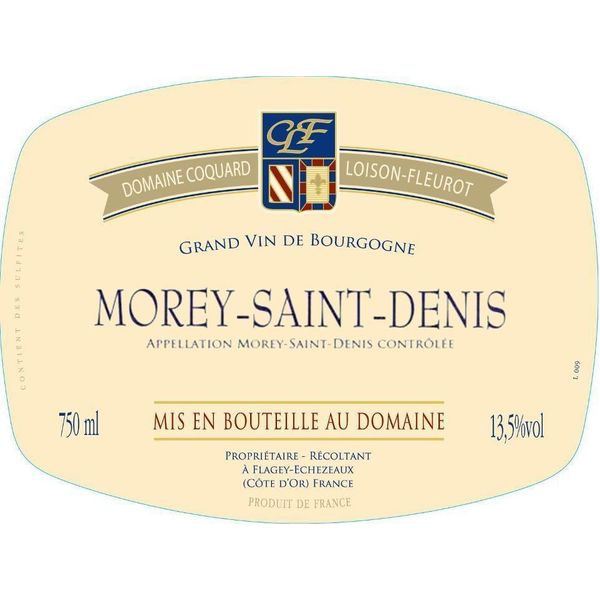
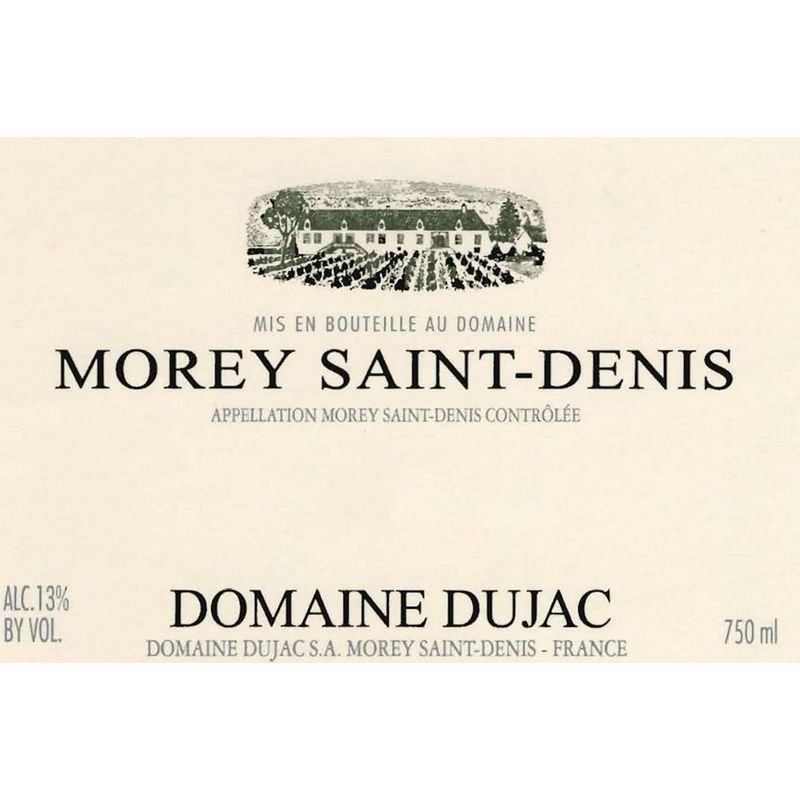
The 2019 Morey-Saint-Denis Village shows fine delineation on the nose, traces of dark chocolate and espresso tincturing the dark berry fruit. The palate is medium-bodied with grainy tannins, displaying the backbone you expect from this appellation and with fine salinity and pepperiness towards the finish. Very fine. There is a MASSIVE hole in Morey-Saint-Denis. Either somebody is attempting to tunnel to the centre of the Earth or somebody is building a new cellar. In this case, it is the latter, since the Seysses family are finally expanding, building a new facility that will hopefully be inaugurated in 2022. The walls will be made of hay, Jeremy Seysses informs me just before tasting kicked-off. Apparently, it will have eco-friendly features such as a wooden structure and the ability to recycle all its CO2 emissions. Obviously, the depth of the aforementioned hole indicates that it will be a gravity-fed winery. Seysses also mentioned how it will afford them more temperature control. Warmer conditions at harvests mean that the fruit itself needs cooling to retard and prolong the alcoholic fermentation. I tasted with Jeremy s brother, Alec. It was a tiring growing season for vineyards, he told me. I don t place too much stock in the rain just before harvest and how it changed the fruit, but I think the vineyards that were in better shape and maybe organic, reacted better to the water. We are in that vein of warming vintages since 2014. It s a blessing. Previous generations dreamed of vintages like this. The negoce wines were picked towards the end of the harvest that finished on 19 September. The picking in 2018 was more spread out – we felt we had to get everything in efficiently as soon as possible. The yields in 2019 were reasonably average, but nothing catastrophic, maybe 10% less than a normal vintage whereas in 2020 it is up and down depending upon vineyard. We used 85% to 90% whole clusters, negoce a little below that figure, especially on the Gevrey side. We have toned down the new oak in recent years, for example, the Grand Crus were raised in 70% new oak instead of 100%. The whites are racked and in tank. The negoce< wines have not been racked and will soon go straight to tank to be bottled. What can I say? I thought this was a stupendous, at times thrilling set of 2019s from Dujac, particularly in the Vosne-Romanee and Morey-Saint-Denis appellations. The Clos de la Roche is spellbinding, the Malconsorts spine-tingling and the Romanee-Saint-Vivant so sublime I wanted to elope with it. Whereas I felt some producers slightly misjudged the proportion of stem addition, here I found the stems neatly assimilated and never transgressed onto terroir expression or purity of fruit. Then again, Jacques Seysses was one of the early proponents using whole clusters and is still around to give sage advice.
Anticipated maturity: 2022-2032
Wine Advocate 91
The 2019 Morey-Saint-Denis Village has turned out beautifully in bottle, wafting from the glass with a complex bouquet of orange rind, plums, peonies, cinnamon and other warm spices. Medium to full-bodied, ample and velvety, it’s perfumed and enveloping, with supple tannins and a long, saline finish. Harvest began on August 19 at Domaine Dujac in 2020, concluding only six days later, and Jeremy Seysses opted for very short macerations, retaining 90% to 95% whole clusters. In the vineyards, the viticultural team didn’t deleaf at all in the warm, sunny growing season, and Seysses noted a big difference in drought resistance between organic and biodynamically farmed parcels. Bottling is planned earlier than usual to capture the wines vibrant fruit intact. And the result? A very persuasive portfolio of 2020s, defined by deep and vibrant fruit tones, rich and powdery tannins and the impressively saturated hues that characterize the vintage along the Cote d’Or. They will require more patience, I suspect, than the remarkably charming 2019s (revisited here in bottle), but they will reward it. Of course, readers will be familiar with the outlines of the Dujac approach to producing red Burgundy: organic farming, fermentation in (for the most part) concrete vats with a predominance of whole clusters and elevage in barrels largely sourced from Tonnellerie Remond. Since Jeremy Seysses took the reins from father Jacques in 2001, there have been evolutions: Inspired by Christophe Roumier, Jeremy seeks to retard malolactic fermentation, he’s tried retaining more lees and there were experiments with leaving the wines unracked throughout their elevage. In the last handful of years, everything appears to have fallen into place in what might be called the contemporary Dujac style, and the last few vintages have been, to my palate, especially successful. A new winery in Morey-Saint-Denis is nearing completion, complete with carbon-capture technology, so later in 2022, I look forward to reporting on the next chapter in the Dujac story.
Anticipated maturity: 2025-2050